Expanding a business is exciting, but it rarely happens in isolation. Whether you are a property owner scaling a portfolio, a homeowner turning a side hustle into a company, or a consumer trying to understand why the businesses you rely on grow so quickly, the answer often comes down to who they choose to work with. Strategic partnerships allow companies to tap into expertise, equipment, and networks they could never build alone in a short amount of time.
This outline breaks down the practical partnerships that make rapid, sustainable growth possible, so you can make smarter decisions whether you are growing a business or simply choosing which companies to trust with your money.
Why Reliable Logistics Partners Matter for Growing Businesses
Any business that handles physical goods knows that growth is only as fast as the supply chain supporting it. Delays in moving inventory, perishable goods, or equipment can quietly stall expansion plans even when demand is high. Partnering with a dependable reefer transportation service ensures temperature-sensitive products like food, pharmaceuticals, or specialty materials arrive intact and on schedule, which protects both revenue and reputation. Without this kind of reliability, a business risks losing customers before it even has the chance to scale.
Beyond refrigerated freight, many expanding companies also lean on corporate transport services to move employees, executives, and equipment between locations efficiently. This is especially important for businesses opening new offices, warehouses, or retail locations in different regions. Having a trusted transportation partner reduces downtime, keeps teams connected, and allows leadership to focus on strategy instead of logistics headaches.
- Reduced spoilage and product loss during peak growth periods
- Consistent delivery windows that support customer trust
- Fewer internal resources spent managing fleet logistics
- Scalable transport options as order volume increases
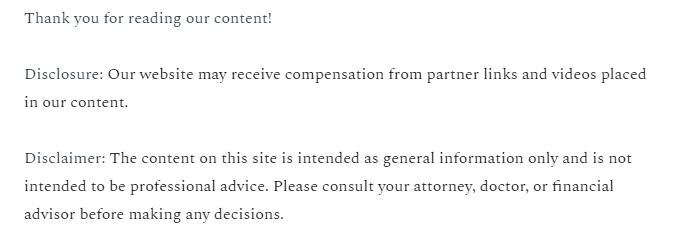
Sourcing Specialized Components Without Slowing Production
As businesses grow, especially in manufacturing, energy, or industrial sectors, they often need parts that are not easy to find through generic suppliers. Working with a specialized ceramic ball valves manufacturer is a good example of how sourcing niche components through a trusted partner prevents production delays. These valves are used in demanding environments where standard materials fail, so having a reliable supplier means fewer breakdowns and less unplanned downtime. For property owners or business operators overseeing industrial equipment, this kind of partnership can be the difference between smooth operations and costly repairs.
- Consistent quality control across every batch of components
- Reduced lead times compared to sourcing internationally
- Better long-term equipment durability
- Simplified reordering process as needs grow
Managing Waste and Site Cleanup During Expansion
Growth often comes with mess, whether it is a renovation, a new construction project, or simply clearing out old inventory and equipment. Many businesses underestimate how much debris accumulates during these transitions until they are scrambling for a solution. Booking 20-yard roll-off rentals ahead of time allows a business to manage construction debris, old furniture, or excess materials without disrupting daily operations. This is a small logistical detail that, when ignored, can create safety hazards and project delays.
Homeowners and property managers overseeing multiple sites often find that planning waste removal early saves both time and money. It also keeps job sites compliant with local safety regulations, which matters if inspections are part of the expansion process. Thinking through cleanup needs before a project begins is a simple way to avoid last-minute scrambling.
- Faster site turnover between project phases
- Lower risk of code violations related to debris accumulation
- Easier coordination with contractors and cleanup crews
- Flexible rental periods based on project size
Making Physical Relocation Painless

Expanding into a new space is one of the most disruptive parts of business growth, and it is easy to underestimate how much planning it requires. Beyond simply packing boxes, a relocation touches IT infrastructure, furniture logistics, permits, and employee schedules, all of which need to be coordinated on a tight timeline. Hiring an experienced office moving company helps prevent lost equipment, damaged furniture, and unnecessary downtime that can hurt productivity for weeks.
A good moving partner understands how to sequence a move so that critical departments are back online quickly, rather than leaving an entire team unable to work for days. For example, IT and server rooms are often prioritized first so that email, phone systems, and customer databases are functional before the rest of the office is unpacked. Some providers even offer weekend or overnight moves specifically to minimize the number of business hours lost.
This is particularly important for businesses that cannot afford to pause customer service or production during a transition. A retail company with a warehouse, for instance, may need inventory relocated in stages so that order fulfillment never fully stops. Similarly, firms handling sensitive client data benefit from movers experienced in secure equipment handling, proper labeling, and chain-of-custody documentation, reducing the risk of compliance issues or costly errors during the switch.
- Reduced risk of damage to sensitive equipment, thanks to specialized packing materials and trained handlers for servers, machinery, or lab devices
- Faster setup of workstations and shared spaces, often within 24-48 hours of arrival at the new site
- Less lost productivity during the transition window, since phased moves let some teams keep working while others relocate
- Clear timelines that keep the move on schedule, backed by detailed checklists and single points of contact for updates
- Built-in contingency planning for common hiccups like permit delays or building access restrictions
- Post-move support to quickly resolve any setup issues, minimizing downtime in the first critical days
Protecting the Physical Space Behind the Business
A growing business needs a building that can actually support increased activity, foot traffic, or equipment loads. Investing in quality commercial roofing protects inventory, equipment, and employees from weather-related damage that can halt operations unexpectedly. Roofing issues are often overlooked until a leak causes real damage, so proactive inspections during growth phases are worth the investment. Property owners expanding into new buildings should always confirm roofing condition before signing a lease or beginning renovations.
Beyond the roof, many businesses need to reconfigure their interior space to match new operational needs. Bringing in experienced commercial remodeling contractors ensures that layout changes, added workstations, or new customer areas are built safely and up to code. A poorly planned remodel can create bottlenecks in workflow or safety issues that slow down the very growth it was meant to support. Getting professional input early helps avoid costly rework later.
- Roofing inspections before signing new leases or contracts
- Weatherproofing to protect inventory and equipment
- Space planning that supports future headcount growth
- Code-compliant renovations that avoid inspection delays
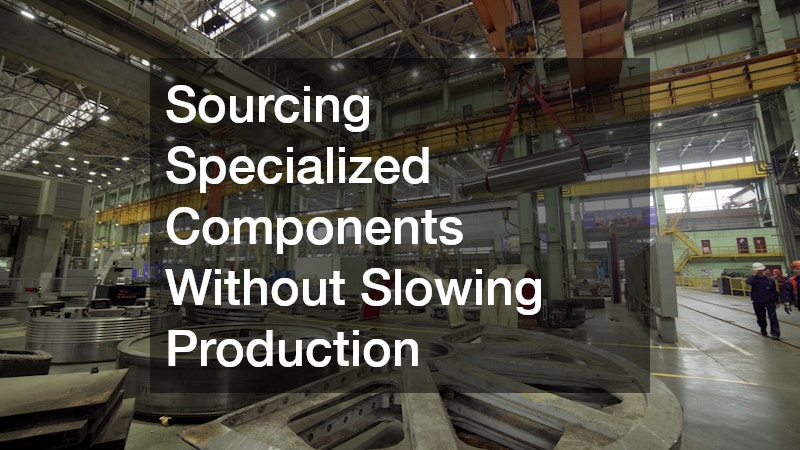
Keeping Power Systems Safe as Demand Increases
As a business adds equipment, technology, or staff, its electrical needs change quickly, and outdated systems can become a real safety risk. Bringing in a licensed commercial electrician early in an expansion ensures wiring, panels, and outlets can handle increased load without overheating or tripping breakers constantly. This is especially important for businesses adding heavy machinery, server rooms, or commercial kitchen equipment. Skipping this step to save money upfront often leads to expensive emergency repairs later.
- Load capacity assessments before adding new equipment
- Reduced fire risk from outdated or overloaded wiring
- Compliance with local electrical codes during inspections
- Long-term energy efficiency improvements
Building the Right Leadership Team for the Next Stage
Rapid growth often exposes gaps in leadership that were manageable at a smaller scale but become urgent problems as a company expands. A founder who once managed every department directly may suddenly need a COO, CFO, or VP of Operations who can run entire functions independently. Without that structural shift, decision-making bottlenecks and small mistakes multiply into costly setbacks.
Partnering with an executive search firm helps businesses find experienced leaders who already understand how to manage growth, rather than learning through costly trial and error. These firms typically maintain networks of vetted candidates with track records in scaling teams, entering new markets, or managing post-acquisition integration. That means a company can identify someone who has already solved similar problems elsewhere, cutting down the guesswork of an internal hire who may be capable but untested at a larger scale.
This is particularly valuable when a business needs to fill a critical role quickly without settling for the first available candidate. Executive searches for senior roles can take three to six months when handled internally, and a poor hire at that level often costs well over 100% of the position’s annual salary once recruiting, onboarding, and severance are factored in. A specialized firm can compress that timeline while still running thorough reference checks and competency assessments, reducing the risk of a mismatch.
A strong leadership hire can accelerate every other part of an expansion plan, from operations to customer experience. The right VP of Sales, for example, can shorten ramp-up time for a new regional team, while an experienced CFO can tighten cash flow visibility just as capital demands increase. Getting this hire right early often determines whether the rest of the growth strategy executes smoothly or stalls under its own weight.
- Access to passive candidates not actively browsing job boards — often 70% of senior leaders fall into this category, reachable only through partner networks and referrals
- Faster hiring timelines for critical leadership roles, cutting average time-to-hire from 3-4 months down to 4-6 weeks
- Better alignment between company culture and new hires, thanks to partners who screen for values fit, not just skills on paper
- Reduced turnover from mismatched leadership placements, since vetted candidates are more likely to stay past the critical first-year mark
- Shared risk through guarantee periods, where staffing partners often replace a poor-fit hire at no extra cost within 90 days
- Deeper reference checks and market insight, giving hiring managers context on compensation benchmarks and competitor talent pools
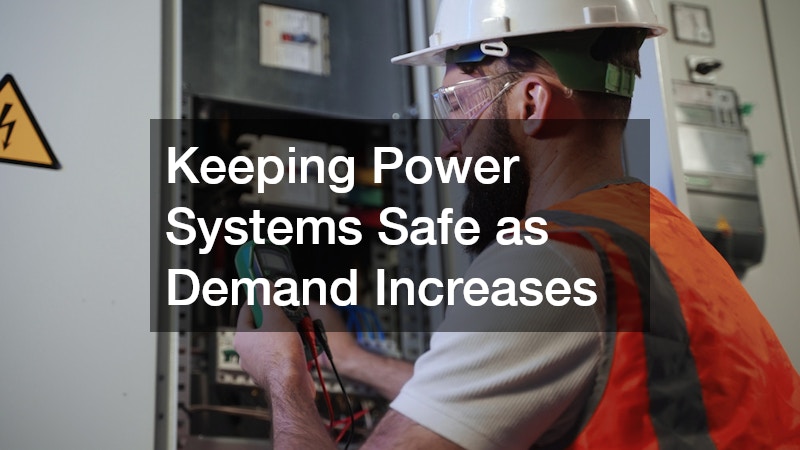
Making Sure Customers Notice the Growth
Growth only matters if customers actually know about it, which is why visibility becomes just as important as operations behind the scenes. Updating business signs at new locations helps customers find a business easily and reinforces brand recognition during a period of change. A partnership that adds three new locations in a single quarter, for example, does little good if potential customers drive past without realizing the doors are open.
Clear, well-placed signage also communicates professionalism, which matters to customers deciding whether to trust a newly expanded business. This includes exterior signs visible from the road, interior displays that confirm a customer is in the right place, and even temporary banners announcing a grand opening or new partnership. Consistency matters too: fonts, colors, and logos should match across every location so the brand feels unified rather than improvised.
Businesses should also budget for signage as part of the expansion plan itself, not as an afterthought once the location is already running. Permitting timelines vary by city, and some municipalities require weeks of lead time for approval, so ordering signs early avoids awkward delays where a storefront sits unmarked. This is a small investment that has an outsized impact on first impressions, often costing far less than a single month’s marketing budget while delivering visibility around the clock.
- Improved foot traffic from clear, visible signage — well-lit, branded storefronts can lift walk-in visits by 10-20% in new locations
- Stronger brand consistency across multiple locations, from matching color palettes to uniform staff uniforms and packaging
- Better navigation for customers unfamiliar with a new site, using consistent floor plans, directional signage, and store maps
- Increased perceived professionalism and trust, especially when partner locations mirror the quality of flagship stores
- Localized touches — like community signage or region-specific promotions — that show the expansion feels intentional, not rushed
- Consistent digital presence (updated Google listings, social profiles, and website locators) so customers can find new sites easily online
Conclusion
Fast, sustainable business expansion rarely happens because of one single decision; it happens because of many smaller partnerships working together behind the scenes. From logistics and specialized suppliers to leadership hires and physical space upgrades, each piece plays a role in how smoothly growth unfolds. If you are evaluating a business, planning your own expansion, or simply trying to understand what separates a company that scales well from one that struggles, look closely at the partners supporting that growth. Taking the time to research these relationships now can save significant time, money, and stress down the road.