
Across North America and regional agricultural hubs worldwide, rural veterinary medicine faces an unprecedented turning point. As older practitioners retire and consolidated corporate groups concentrate their investments in dense metropolitan suburbs, vast agricultural territories are left without dependable clinical coverage. For an entrepreneurial practitioner or clinical partnership, this shortage represents an exceptional, mission-critical business opportunity. Building a thriving practice outside the perimeter of major metropolitan areas requires a careful blend of medical versatility, disciplined capital management, resilient logistics, and a commitment to rural community culture.
A successful rural model cannot simply replicate an urban companion-animal clinic on a smaller scale. Rural practitioners frequently care for diverse client groups ranging from commercial cattle and swine operations to competitive equestrian facilities, small hobby farms, and multi-pet rural households. Success requires more than top-tier diagnostic acumen. It demands systematic territory analysis, balanced allocation of funds between mobile and stationary infrastructure, strict stall biosecurity standards, transparent after-hours protocols, and strong regional professional networks.
Market Feasibility and Territory Assessment
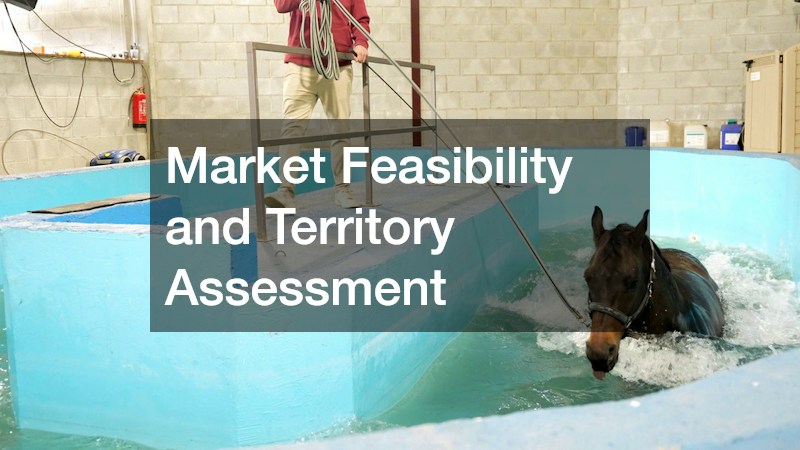
Launching an independent rural practice requires validating demand through concrete agricultural and geographic data rather than assumptions. Before committing capital to physical real estate or specialized vehicles, a prospective founder must thoroughly evaluate regional demographics, agricultural production patterns, and existing veterinary distribution.
Audit Regional Livestock Density and Local Household Demographics
To establish a sustainable service footprint, practitioners must first understand the composition of animal populations across their target counties:
- Leverage Public Agricultural Censuses: Consult state department of agriculture records, county extension offices, and national agricultural statistics services to quantify cattle head counts, active dairy herds, swine production figures, and registered equine premises.
- Segment Your Client Base: Commercial production operations, equestrian training barns, and hobby-farm enthusiasts hold vastly different service expectations and payment behaviors. Commercial farms prioritize herd health economics, reproductive efficiency, and preventive herd health protocols, whereas companion animal and backyard hobby owners focus on individual patient outcomes.
- Gauge Discretionary Household Spending: Review regional household median income data, homeownership rates, and companion animal ownership statistics. A strong rural business model balances stable volume from production livestock with high-margin preventive and surgical care for household pets.
Analyze Competitor Coverage Gaps and Drive-Time Radii
Mapping competitive density prevents costly missteps and highlights untapped geographic pockets:
- Plot Response Radii: Map drive-time boundaries at thirty-, forty-five-, and sixty-minute intervals from your prospective home base. In rural settings, windshield time directly eats into billable hours. Knowing where surrounding coverage drops off lets you establish profitable geographic boundaries.
- Identify Bottlenecks in Existing Care: Many aging practices operate at maximum capacity or have begun scaling back ambulatory farm calls. Surveying regional farm bureaus and livestock associations often reveals widespread frustration with long booking delays and non-existent ambulatory availability.
- Differentiate from Existing Providers: Analyze how regional pet owners split their visits between general practitioners and specialized facilities. In many rural counties, independent providers face heavy competition from traditional local veterinary clinics that focus strictly on small animal vaccinations and wellness exams. At the same time, severe surgical or critical cases are routinely referred hours away to local animal hospitals in nearby urban centers. A local emergency vet would be useful for rural residents who can’t make it to the city.
Licensing, Infrastructure, and Capital Planning
A rural practice carries unique capital considerations. Unlike a traditional companion-animal startup, founders must balance investments between stationary hospital facilities and fully equipped mobile ambulatory rigs that can withstand rough backroads and unpredictable weather.
Establish Strict Credentialing and Dual-Licensing Compliance
Operating across both large-animal and companion-animal medicine introduces distinct legal and regulatory hurdles:
- State Board and Pharmacy Verification: Secure all state veterinary medical licenses, state controlled-substance registrations, and federal Drug Enforcement Administration licenses for all operational vehicles. Ambulatory medicine requires carrying controlled pharmaceuticals in mobile lockboxes equipped with dual-keyed or biometric security measures.
- Multi-Species Environmental Compliance: Verify local municipal zoning codes regarding the storage, handling, and disposal of biological medical waste, sharps, and large-animal tissue samples. Environmental Protection Agency regulations and regional agricultural board mandates dictate wastewater drainage, dead-animal disposal, and radiographic equipment shielding.
- Lender Relations and Insurance Underwriting: Agricultural commercial lenders evaluate practice viability differently than traditional retail banks. Presenting a comprehensive business plan that includes professional liability coverage, commercial auto fleet coverage, workers’ compensation for large-animal handlers, and clear standard operating procedures reassures lenders that the business is led by a capable, forward-looking professional veterinarian who understands the financial and operational risks of mixed-practice medicine.
Allocate Capital Between Mobile Diagnostic Units and Stationary Suites
Balancing fixed overhead with mobile versatility is essential for long-term financial viability:
- Equip Rugged Ambulatory Rigs: Purchase high-clearance, four-wheel-drive commercial chassis equipped with custom veterinary utility caps, climate-controlled medicine compartments, independent water systems, and reliable power generators. Mobile digital radiography and battery-powered ultrasound units are non-negotiable for diagnosing field colic, respiratory disease, and musculoskeletal injuries.
- Design an Adaptable Stationary Facility: While ambulatory services generate immediate cash flow, establishing a central animal care hospital provides a dedicated base for clean surgeries, sterile recovery, in-house laboratory processing, and retail inventory distribution.
- Phase In Diagnostics: Begin with essential in-house chemistry, hematology, and fecal analyzers, alongside basic gas anesthesia systems. Delay high-cost specialty acquisitions, such as computed tomography or advanced endoscopy, until your patient caseload and referral volume generate sufficient cash reserves.
Designing Facility Biosecurity and Large-Animal Housing
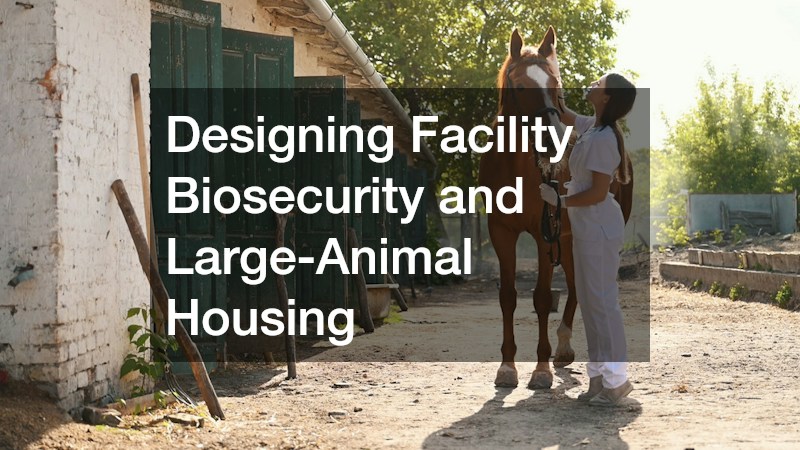
Inpatient housing for livestock and equine patients requires rigorous spatial planning and hygiene management. Cross-contamination between commercial farm patients, competitive sport horses, and domestic animals can quickly compromise a clinic’s reputation and bottom line.
Engineer Negative-Pressure Isolation Stalls for Inpatient Farm Care
Infectious disease management must be integrated directly into your facility’s physical architecture:
- Zoned Ventilation Systems: Install independent HVAC infrastructure for containment areas, using negative air pressure and HEPA filtration to prevent airborne pathogens like equine influenza or bovine respiratory syncytial virus from migrating into main treatment aisles or small-animal wards.
- Impervious, Non-Slip Surfaces: Floor construction must use seamless poured epoxy or high-density, sealed non-porous concrete pitched toward dedicated antimicrobial chemical drainage systems. Porous dirt or traditional gravel flooring cannot be sanitized after an outbreak of Salmonella or rotavirus.
- Dedicated Quarantine Intake Pathways: Construct external unloading ramps and direct-access exterior stall doors so potentially infectious haul-in patients bypass public parking lots and internal exam corridors entirely.
Standardize Sanitation Schedules and Moisture-Absorbent Stall Bedding
Maintaining high stall hygiene protects vulnerable patients, prevents nosocomial hospital infections, and controls dust:
- Material Selection and Dust Mitigation: In equine recovery and inpatient medical stalls, choose high-grade, kiln-dried flake shaving horse bedding that has been thoroughly screened for fine wood dust. Low-dust wood shavings minimize respiratory stress in horses suffering from pneumonia or recovering from general anesthesia, while offering exceptional moisture absorption that prevents pathogen proliferation.
- Deep Bedding Protocols: Establish minimum bedding depth standards of eight to ten inches over rubber interlocking stall mats. This provides essential thermal insulation from cold concrete subfloors, reduces pressure sores on recumbent downer animals, and prevents slippage during post-operative ataxia.
- Strict Waste Evacuation Schedules: Strip and completely disinfect stalls between patient turns using veterinary-grade oxidizing disinfectants. Store soiled bedding in covered, concrete-bunkered storage areas located downwind and far away from hospital air intakes to control odor, flies, and runoff.
Developing Elective, Cosmetic, and Specialized Procedures
A diversified clinical service catalog helps stabilize revenue against seasonal dips in livestock breeding and production work. Balancing elective aesthetic procedures, corrective surgeries, and functional restorations establishes a diverse, highly profitable surgical pipeline.
Navigate Legal Boundaries and Welfare Standards for Elective Surgery
Offering specialized surgical options requires a clear grasp of evolving statutory restrictions, breed standards, and patient welfare considerations:
- Statutory Compliance and Medical Justification: Maintain an up-to-date registry of state veterinary medical board regulations regarding elective surgeries, such as cosmetic tail docking, ear cropping, and dewclaw removal in canine breeding stock. Document detailed medical and functional rationales for every surgical case to maintain pristine regulatory compliance and clinical transparency.
- Educating Agricultural and Purebred Clients: Rural clients often request functional alterations to protect working dogs and livestock from pasture hazards, burr entrapment, or predator injuries. Distinguish clearly between necessary therapeutic interventions and non-essential animal cosmetic surgery, guiding clients toward interventions that prioritize long-term animal welfare and pain management.
- Structured Anesthetic Protocols: Implement standardized pre-anesthetic blood work, multimodal pain management, and dedicated patient-monitoring protocols for all soft-tissue procedures, building trust with owners who value top-tier surgical safety.
Integrate Regenerative Medicine and Advanced Soft-Tissue Services
Advanced procedural capabilities separate an innovative regional hospital from basic ambulatory providers:
- Invest in Advanced Instrumentation: Electrosurgical units, therapeutic cold lasers, and high-precision suction units substantially shorten surgical times, minimize hemorrhage in field-trauma patients, and speed tissue healing.
- Offer Autologous Therapies: Integrate platelet-rich plasma and basic stem cell processing systems for managing degenerative joint diseases in performance horses and working livestock dogs.
- Market Wound Reconstruction Capabilities: Pasture accidents, barbed-wire lacerations, and animal attacks generate steady emergency surgical volume in rural areas. Establishing reliable wound-management protocols, tension-relieving closure techniques, and advanced bandaging options creates a dependable surgical caseload.
Structuring 24/7 Triage and On-Call Logistics

After-hours calls are the traditional lifeblood of rural practice, but unmanaged emergencies can quickly lead to professional burnout, sleep deprivation, and staff turnover. A sustainable rural venture requires systematic triage protocols and protective on-call boundaries.
Build a Structured After-Hours Intake and Haul-In Protocol
Clear triage pathways prevent midnight travel for non-critical cases while keeping staff rested and ready:
- Implement Digital Answering and Tele-Triage Services: Use specialized veterinary answering services staffed by licensed veterinary technicians to evaluate overnight calls. Professional screeners separate simple daytime inquiries from severe, life-threatening incidents like acute equine colic, toxic ingestions, bloat, or bovine uterine prolapses.
- Incentivize Haul-In Triage: Whenever medically and practically feasible, incentivize horse owners and livestock producers to transport critical patients directly to your stationary facility instead of requesting emergency farm visits. Treating patients in your hospital gives you immediate access to diagnostic equipment, warm surgical suites, fluid pumps, and dedicated restraint chutes, while saving hours of rural road travel.
- Transparent Emergency Pricing: Publish a transparent after-hours emergency fee structure. Charging appropriate triage premiums covers overtime pay for on-call veterinary technicians and discourages non-urgent calls during the middle of the night.
Protect Solo-Practitioner Longevity Through Shared On-Call Rotations
Sustaining a solo or small-team clinical schedule demands creative operational partnerships:
- Form Regional Practice Co-Ops: Reach out to non-competing practices in adjacent territories to build collaborative coverage syndicates. Dividing weekend and holiday duties among three or four regional clinics ensures that community animals receive urgent veterinary care without forcing a single veterinarian to work 365 days a year without rest.
- Standardize Emergency Hand-Offs: Establish standardized patient records and digital transfer protocols within your coverage network. When an on-call partner stabilizes a patient overnight, comprehensive medical notes and digital imaging should transfer back to your primary practice management software the following morning.
- Maintain Dedicated Triage Kits: Keep emergency diagnostic packs, intravenous catheter kits, hypertonic saline, and common anti-spasmodic drugs pre-stocked in mobile vehicle drawers, ensuring that an emergency vet can respond to critical farm accidents without delay.
Expanding Critical Care Capacity and Regional Referral Networks
Not every rural hospital can maintain a round-the-clock intensive care unit. Sustainable growth relies on knowing your facility’s clinical limits, stabilizing acute traumas quickly, and maintaining warm working relationships with specialized tertiary facilities.
Establish Telemedicine and ICU Transfer Partnerships
Positioning your practice as a capable regional stabilization center builds respect across the broader veterinary community:
- Equip Intermediate Overnight Suites: Provide continuous intravenous fluid therapy, active warming pads, and monitored oxygen cages for companion animals recovering from acute trauma, shock, or metabolic crises. Having the equipment to support a patient through the night often makes the difference between recovery and death.
- Utilize Veterinary Tele-Consulting: Partner with digital specialty platforms to access board-certified radiologists, cardiologists, and criticalists for rapid diagnostic reviews. Transmitting digital radiographs or ultrasound video loops online allows you to provide advanced clinical insights to your rural clients without sending them on a three-hour drive.
Streamline Patient Logistics for Severe Trauma and Nighttime Surgeries
Coordinating acute patient movement requires structured communication and rapid-response preparation:
- Standardize Triage Packaging: When severe field trauma or septic shock exceeds your clinic’s surgical capacity, stabilize the patient with balanced crystalloids, broad-spectrum antimicrobial therapy, and proper splinting or wound wrapping before initiating transport.
- Maintain Transparent Client Communication: Guide owners through realistic prognosis discussions, estimated transportation risks, and secondary hospital costs before transferring patients to tertiary centers that provide dedicated emergency vet services.
Building Lasting Success in Rural Veterinary Practice
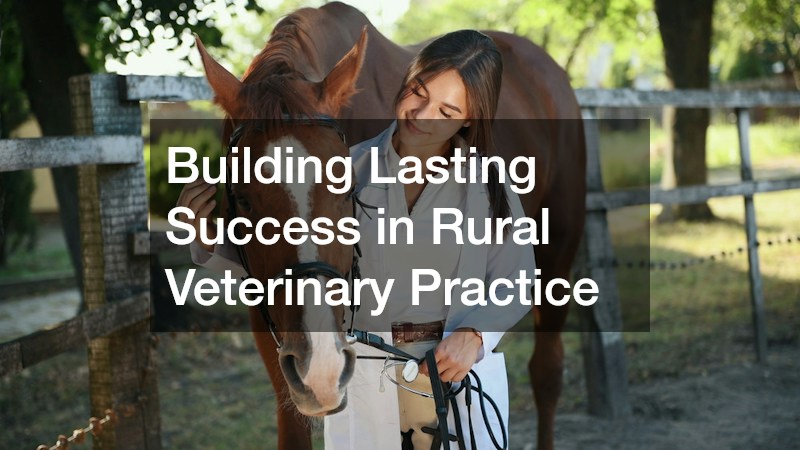
Launching a rural mixed practice is one of the most rewarding commercial and clinical undertakings in modern veterinary medicine. While the operational challenges of remote terrain, large-animal biosecurity, and round-the-clock emergency demands are real, they are easily managed with deliberate business design.