When you notice every plumber in town booked solid or every roofing crew working overtime after a storm, that is not a coincidence, it is data. Home service call volumes act like a pulse check on a neighborhood, showing which systems are failing, which seasons strain homes the most, and where demand is quietly building. Understanding these patterns can help you anticipate your own repair needs, budget more wisely, and avoid the scramble that happens when everyone calls for help at once. This article breaks down what spikes in service calls actually mean and how you can use that information to your advantage.
Seasonal Spikes in Cooling System Calls
When temperatures climb in late spring and early summer, call centers across the country see a sharp jump in requests for help with struggling air conditioners. This surge is not random; it reflects systems that sat idle all winter suddenly being pushed to their limits. Many homeowners only discover a problem once they need the system most, which means air conditioning repair requests cluster heavily in the first真正 hot stretch of the season.
Tracking this pattern can help you plan ahead instead of reacting in a panic. If you schedule a tune-up before the seasonal rush, you often get faster appointment times and may catch small issues before they become expensive breakdowns.
- Call volumes for cooling issues typically peak in June and July in most climates
- Early spring inspections can reduce the odds of a midsummer breakdown
- Older units, generally ten years or more, account for a disproportionate share of emergency calls
- Homes with inconsistent airflow often show warning signs weeks before a full failure
Winter Surges in Water Heating Problems
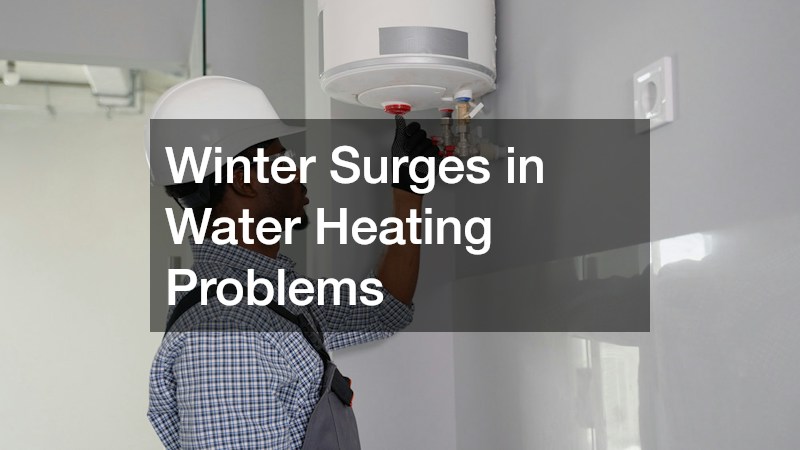
Cold weather does not just stress furnaces, it also puts enormous strain on water heaters, which have to work harder to raise incoming water temperatures that are already lower than usual. Service providers consistently report that water heater repair calls rise sharply in the first few cold snaps of the year, especially in regions where temperatures swing dramatically overnight. Sediment buildup, aging heating elements, and worn-out thermostats tend to surface as problems precisely when the system is under the most pressure.
This seasonal pattern is useful because it tells you when a proactive flush or inspection pays off the most. Addressing minor issues in early autumn, before the first true cold spell, can mean the difference between a scheduled maintenance visit and an emergency call with no hot water on a freezing morning.
- Sediment buildup reduces efficiency and often triggers strange noises before full failure
- Units older than eight to twelve years are the most common source of urgent calls
- Temperature fluctuations in incoming water lines reveal hidden weaknesses in heating elements
- Early fall is generally the best window for a non-emergency inspection
Storm Season and Sudden Roof Damage Requests
Severe weather events, from hailstorms to high winds, create predictable surges in demand for repair and inspection services. After a significant storm rolls through a region, local Roofing Contractors often see call volumes multiply overnight as homeowners discover missing shingles, leaks, or structural damage they were not aware of before. This pattern is so consistent that some companies adjust staffing and inventory based on regional storm forecasts.
The lesson for homeowners is that the first wave of calls after a storm tends to focus on visible, dramatic damage, while quieter issues like minor leaks or loosened flashing get discovered weeks later. Scheduling an inspection soon after a storm, even without obvious damage, can help you catch problems before they compound into something more serious and costly.
- Hail and wind events are the two leading causes of sudden spikes in roofing calls
- Visible shingle damage is often just the tip of a larger structural issue
- Insurance-related inspections frequently follow a region-wide storm event
- Homes in older neighborhoods tend to show damage faster due to aging materials
Holiday Household Stress on Plumbing Systems

Major holidays bring more cooking, more guests, and more strain on plumbing systems than any other time of year. Garbage disposals clogged with grease, toilets overwhelmed by heavier-than-usual use, and slow-draining sinks all contribute to a predictable bump in service requests right around major gatherings. Thanksgiving week alone is notorious among plumbing companies for a sharp rise in calls related to clogged kitchen lines.
These patterns highlight how household behavior, not just aging infrastructure, drives demand. Understanding this can help you take simple precautions, like avoiding grease disposal down the sink or spacing out dishwasher and shower use during a full house of guests, to reduce your own risk of a holiday plumbing emergency.
- Grease and food scraps are the leading cause of holiday-season clogs
- Call volumes for backed-up kitchen drains often double during major holiday weeks
- Bathrooms see increased strain when guest counts rise for multiple days
- Older homes with narrower pipes are more vulnerable to sudden blockages
Slow Drains as an Early Warning Sign
Long before a full blockage happens, many homes show subtle signs that something is building up inside the pipes. A slow-draining shower or a sink that gurgles when the dishwasher runs are common early indicators that debris, hair, or mineral buildup is narrowing the pipe’s interior. Service providers often note that drain cleaning requests spike shortly after these smaller symptoms have been ignored for weeks or months.
Paying attention to these early signals gives you more control over timing and cost. A minor clog addressed early is far less expensive and disruptive than an emergency call after a full backup, which often requires more invasive equipment and a same-day appointment premium.
- Gurgling sounds often mean air is trapped behind a partial blockage
- Multiple slow drains at once can indicate a problem deeper in the main line
- Hard water regions see faster mineral buildup inside older pipes
- Tree root intrusion is a common hidden cause in homes with mature landscaping
What Regional Climate Patterns Tell You About Local Demand
Call volume data varies enormously by region, and recognizing your area’s climate pattern can help you anticipate which systems in your home are most likely to need attention. Homes in humid coastal regions tend to experience different seasonal stress points than homes in dry, high-altitude climates, even when the calendar date is identical. Local utility costs, housing age, and typical construction materials also shape which services see the highest demand throughout the year.
Looking at your region’s dominant weather patterns, rather than national averages, gives you a more accurate picture of what to expect. A homeowner in a hot, humid climate will face different seasonal pressures than someone in a region with frequent freeze-thaw cycles, and planning around your specific climate reduces the chance of being caught off guard.
- Humid regions see more mold-related plumbing and HVAC service requests
- Freeze-thaw climates experience more pipe bursts and foundation-related issues
- Coastal homes face accelerated wear on roofing materials due to salt air exposure
- Desert climates often see earlier seasonal spikes in cooling system demand
Using Local Data to Plan Your Own Maintenance Calendar
Once you understand the seasonal and regional patterns behind service call spikes, you can build a simple maintenance calendar that works proactively instead of reactively. The idea is to work backward from known demand surges: if HVAC calls jump in your area every June when the first heat wave hits, schedule your air conditioning tune-up in April or early May, before technicians’ calendars fill up. The same logic applies to furnace checks before the first cold snap, gutter cleaning before autumn storms, and plumbing inspections before winter’s freeze-thaw cycles stress old pipes. Scheduling inspections just ahead of predictable high-demand periods means you are more likely to get a convenient appointment time and avoid rushed, premium-priced emergency service. Many companies even charge after-hours or peak-season surcharges that can add 50% or more to a standard service call, so booking early is also a straightforward way to save money. You will also have more leverage to ask questions, compare quotes, and choose a provider based on reputation rather than sheer availability. This approach also spreads out home maintenance costs over the year rather than concentrating them into stressful, expensive bursts. A practical way to start is to map four or five key tasks onto a calendar: spring HVAC servicing, early-fall furnace inspection, late-fall gutter and roof checks, and a mid-winter plumbing and water heater review. Adjust the exact timing based on your local climate data and historical call-volume trends rather than a generic national schedule, since a mild coastal winter and a harsh inland one call for very different lead times.
Many homeowners find it helpful to treat this calendar the same way they treat other recurring responsibilities, like renewing insurance or scheduling annual checkups. A practical approach is to pull up local call volume trends (often available through service providers, industry reports, or even a quick survey of neighbors) and mark the one or two months before each predictable spike. For HVAC systems, that might mean scheduling a tune-up in March or April, well ahead of the summer cooling rush. For plumbing or water heater issues, early fall is often a smart window before winter freezes strain older pipes. Setting calendar reminders a month or two in advance gives you time to research providers, compare quotes, and book appointments before demand tightens up. It also helps to build in a buffer: if historical data shows calls for a given service typically peak in July, aim to have your inspection or maintenance done by early June rather than cutting it close. Over time, this habit reduces the likelihood of surprise breakdowns and gives you more negotiating power when scheduling non-urgent work. Technicians are often more flexible on pricing and scheduling during their slower months, so a homeowner who books a furnace inspection in September may pay less and get a more convenient appointment time than one who waits until the first cold snap in November. This same logic applies across categories, from gutter cleaning before autumn leaf-fall to irrigation system checks before the first spring thaw.
- Early spring (March–April) is ideal for cooling system check-ups, since booking before the first 80°F week beats the summer rush and often means lower rates
- Early fall (September–October) works well for heating and water heater inspections, catching issues before the first cold snap sends call volumes up 30-40%
- Post-storm seasons are a good time for a general exterior and roof walk-through, especially after hail, high winds, or heavy snow loads
- Late summer (July–August) is often a quieter window for scheduling drain and plumbing inspections, since most households are focused on outdoor projects instead
- Pairing inspections with these off-peak windows can mean faster scheduling, more technician availability, and fewer emergency-rate surcharges
- Setting calendar reminders 4-6 weeks ahead of each seasonal shift gives enough lead time to book before demand climbs
Service call volume patterns are more than industry trivia, they are a practical tool you can use to protect your home and your budget. By paying attention to seasonal trends, regional climate factors, and the small warning signs your home gives off, you can shift from reacting to emergencies to planning ahead with confidence. Start by mapping out your region’s predictable high-demand periods, then schedule your own inspections just ahead of them. That small shift in timing can save you money, stress, and the frustration of being stuck at the back of a long waiting list.