When a member of your team goes out on long-term disability, the ripple effects touch everyone from coworkers covering extra duties to managers trying to maintain morale and productivity. Handling the situation well requires a mix of clear communication, legal awareness, and genuine empathy for the employee navigating a difficult health crisis. Mismanaging this process can lead to confusion over benefits, strained relationships, and even legal exposure for your company.
This guide walks through the practical steps managers and HR teams can take to support an employee through a long-term disability claim while keeping the rest of the team running smoothly.
Recognize the Early Signs and Open a Dialogue
The first indication that an employee may need long-term disability leave often comes gradually, through increased absences, visible fatigue, or a noticeable decline in performance. Rather than waiting for a crisis, managers should check in privately and compassionately, giving the employee space to share what is happening without pressure. Early conversations set the tone for trust and make the eventual transition to leave far less disruptive for everyone involved. Documenting these conversations, with the employee’s knowledge, also helps HR later when processing paperwork or benefits requests.
- Watch for patterns like frequent sick days or missed deadlines rather than isolated incidents
- Approach the employee privately, not in a team meeting or group setting
- Ask open-ended questions instead of assuming the cause of the change
- Reassure the employee that seeking leave will not jeopardize their job unfairly
- Loop in HR early so the employee understands their options
Understand the Claims Process and Required Documentation
Long-term disability claims typically require medical documentation, employer verification of job duties, and sometimes a waiting period before benefits begin. As a manager, you are not expected to process the claim yourself, but understanding the basic timeline helps you set realistic expectations with your employee and your team. Most insurers require ongoing proof of disability, meaning the employee may need to submit updated medical records periodically throughout their leave. Knowing this in advance prevents surprises and helps you plan staffing around potential delays.
It also helps to understand that long-term disability claims are separate from short-term disability or workers compensation claims, even though the paperwork can feel similarly overwhelming. Employees sometimes confuse these programs, so pointing them toward HR or a benefits specialist for clarification can save everyone time and frustration. If the disability stems from a workplace injury, the claim may actually fall under workers compensation rather than a standard disability policy, which changes the process entirely.
- Confirm whether the leave falls under short-term or long-term disability coverage
- Clarify whether the condition is work-related, which may trigger a different claims track
- Keep a shared calendar of key deadlines for medical updates or recertifications
- Encourage the employee to keep copies of everything they submit
Coordinate Benefits Without Overstepping Legal Boundaries
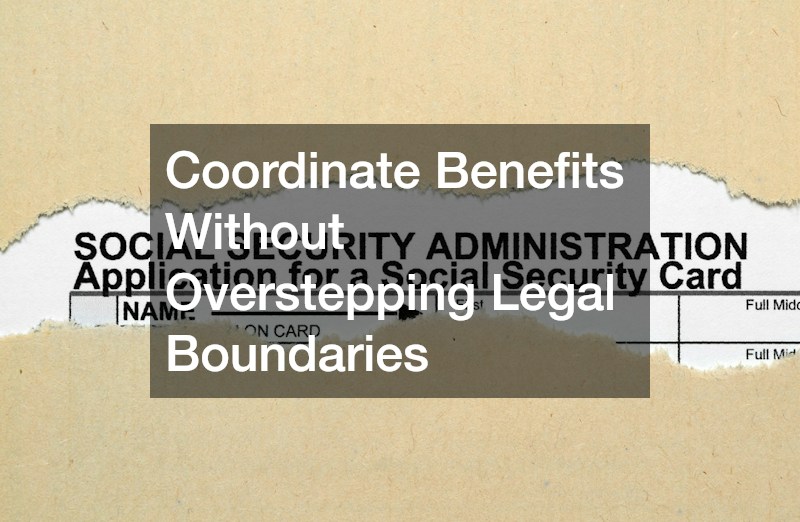
Managers often want to help, but there are legal limits to how involved you should be in an employee’s personal medical or financial matters. HR and legal counsel should handle sensitive details, while managers focus on workflow, communication, and maintaining a supportive environment. If the disability claim becomes contested or denied, some employees choose to consult Social Security attorneys to help navigate the appeals process for federal disability benefits. This is a personal decision for the employee, but being aware that such resources exist allows you to point them in the right direction without overstepping your role.
It is worth remembering that your company’s disability insurance is distinct from Social Security Disability Insurance, and employees may be pursuing both simultaneously. Keeping these programs straight in your own mind helps you avoid giving inaccurate advice. Your role is to be a steady, informed presence, not a substitute for professional legal or medical guidance.
- Avoid giving specific legal or medical advice to the employee
- Direct complex benefits questions to HR or outside counsel
- Respect confidentiality around the employee’s diagnosis and claim status
- Recognize that appeals processes can take months and require patience
Redistribute Workload Fairly Among Remaining Staff
One of the most immediate challenges of managing a team through a long-term disability leave is covering the absent employee’s responsibilities without burning out everyone else. Start by identifying which tasks are truly urgent versus those that can wait or be simplified temporarily. Transparent communication with the team about why workloads are shifting, without disclosing private medical details, helps maintain morale and prevents resentment. Consider whether temporary staffing, overtime pay, or redistributing tasks across multiple people makes more sense than overloading a single coworker.
- Audit the absent employee’s core duties and prioritize what truly needs coverage
- Rotate coverage responsibilities when possible to avoid burnout on one person
- Communicate general timelines to the team without sharing private health details
- Revisit the workload plan regularly, since disability leave can extend longer than expected
Plan for a Smooth Return to Work or Transition
Not every long-term disability claim ends with the employee returning to their exact previous role, so planning for multiple outcomes is wise. Some employees come back needing accommodations such as modified hours, remote work options, or adjusted physical duties. Others may determine, often with the help of medical or legal advisors, that returning to the same position is not feasible, and a transition plan becomes necessary. If the original disability stemmed from a workplace accident, the employee may also be working with workers compensation lawyers to resolve related claims, which can run on a separate timeline from the return-to-work plan.
Staying in periodic contact during the leave, with the employee’s consent, keeps the door open for a smoother transition whenever they are ready. A simple check-in email or card shows support without pressuring them to discuss medical details. When the employee does return, a phased reentry with reduced hours or lighter duties for the first few weeks often works better than expecting an immediate return to full capacity.
- Discuss possible accommodations well before the employee’s expected return date
- Keep light, consensual contact during leave to maintain connection
- Prepare a phased return-to-work schedule if medically recommended
- Document any accommodation requests and how they were addressed
Know When Workplace Injuries Complicate the Claim
Sometimes a long-term disability arises directly from an on-the-job accident, which adds another layer of complexity to the situation. In these cases, the employee may need guidance from workers comp lawyers to ensure they receive the full benefits owed under state law, separate from any private disability insurance payout. Employers should be careful not to discourage employees from pursuing legitimate claims, since retaliation can create serious legal risk for the company. Maintaining clear records of the incident, any workplace safety reviews, and communications with the employee protects both parties if questions arise later.
- Report workplace injuries promptly according to your company’s safety protocols
- Avoid any appearance of discouraging an employee from filing a legitimate claim
- Keep incident reports and safety documentation organized and accessible
- Coordinate with HR to ensure workers compensation and disability claims are tracked separately
Conclusion
Supporting a team through an employee’s long-term disability claim takes patience, organization, and a willingness to lean on HR and legal experts when situations grow complex. By staying informed about the claims process, redistributing work fairly, and keeping communication open and respectful, you protect both your employee’s well-being and your team’s stability. Start by reviewing your company’s current disability and leave policies so you are prepared before a situation arises rather than scrambling in the middle of one.